



Hematology
Latest News
Advertisement
Latest Videos


Shorts

0:45
Helping Cancer Patients Thrive Throughout Survivorship
a day ago
by
Bhavana (Tina) Bhatnagar, DO(+1 more)
0:33
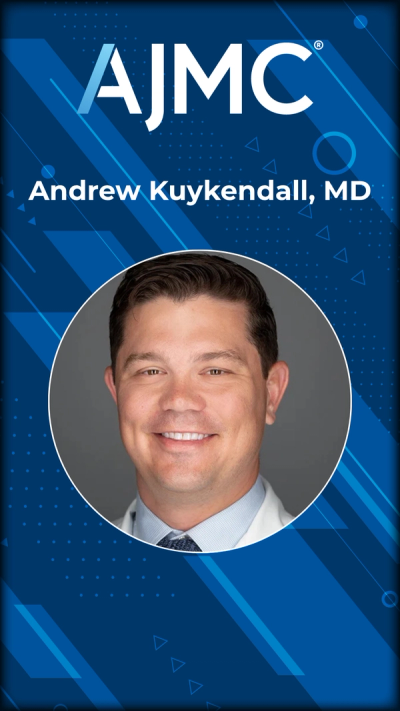
Understanding Anemia and Dosing Control With Rusfertide
2 days ago
by
Andrew Kuykendall, MD(+1 more)
0:30
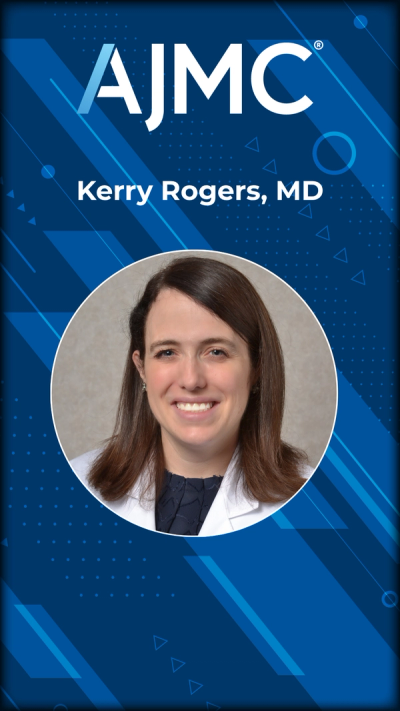
Bispecifics Benefits Still Uncertain in CLL: Kerry Rogers, MD
4 days ago
by
Kerry Rogers, MD(+1 more)
0:40
Why a Stem Cell Transplant May Not Be Needed in ALL
8 days ago
by
Emily K. Curran, MD(+1 more)

0:53
The Future of Transplant Medicine: Karilyn Larkin, MD
15 days ago
by
Karilyn Larkin, MD(+1 more)
0:32
Promising New Therapies for Richter Transformation: Adam S. Kittai, MD
16 days ago
by
Adam S. Kittai, MD(+1 more)

1:00
The Changing Treatment Landscape in Myeloma: Swarup Kumar, MD
a month ago
by
Swarup Kumar, MD(+1 more)
0:53
The Hidden Biases in Clinical Trial Criteria: Karilyn Larkin, MD
a month ago
by
Karilyn Larkin, MD(+1 more)

1:22
Expanding Treatment Access Via Academic-Community Ties: Amandeep Godara, MBBS
a month ago
by
Brooke McCormick(+1 more)
0:43
Stopping the Exodus of Women Physicians: Bhavana Bhatnagar, DO
2 months ago
by
Bhavana (Tina) Bhatnagar, DO(+1 more)
Podcasts


Advertisement
More News

Pola-R-GemOx extends median overall survival to 19.5 months in transplant-ineligible R/R DLBCL, per POLARGO.

Even when physicians prescribe guideline-preferred therapies, step therapy and prior authorization can delay or restrict access to CLL therapies.

Biomarker-driven care is advancing in mantle cell lymphoma, though cost and infrastructure limit access in community oncology, according to a review.

This moves the noncovalent BTK inhibitor into the first-line setting for certain adults with chronic lymphocytic leukemia or small lymphocytic lymphoma.

The article explores the use of dose-intensive IV iron replacement to achieve long-term hemoglobin stability in patients with moderate to severe HHT-related bleeding. The approach recognizes what the author calls "the relentless and recurrent nature of HHT-associated bleeding," and may help patients achieve better quality of life.

CAR T-cell therapy must be treated as a complete "vein-to-vein" episode, with community practices needing to take control of cases for a period of time.

Aligning financial incentives with patient-centered care is becoming an increasingly complex path to navigate within oncology.

Expert panel discussions covered AI and community access, chronic lymphocytic leukemia, myeloma, and breast and lung cancers.

North Carolina experts discussed CLL, breast cancer, and myeloma treatments and how to expand access to complex cancer care beyond academic centers.

A survivor shares axi-cel therapy highs, experiences with severe CRS and neurotoxicity, and why access to care and clinical trials improves QOL.

Biomarker testing, referrals, screening, treatment access, and clinical trial barriers were examined during this recent IVBM.

The regulatory decisions reflect how advances in biomarkers and molecular medicine are reshaping both diagnosis and treatment.
“I think there’s not a lot of information as to what the process is for individuals who have questions about that,” explains Kerry Rogers, MD.
Robust survivorship programs exist at some institutions, but needs vary widely from patient to patient, explains Bhavana Bhatnagar, DO.
Within polycythemia vera, patients can be iron deficient while continuing to produce too many red blood cells, explains Andrew Kuykendall, MD.
However, the risk of these rare cancers is not enough to dissuade prescribing CAR T-cell therapy for CLL, explains Kerry Rogers, MD, The James.

The study’s primary end point of event-free survival demonstrated a 49% reduction in mortality risk between the blinatumomab and control cohorts.

Swarup Kumar, MD, emphasizes that preparation is central to positive outcomes and includes patient education and early intervention when needed.

Patient factors and access barriers are reshaping treatment sequencing and individualized care for relapsed multiple myeloma, Amandeep Godara, MBBS, said.

Policy changes could have the greatest impact on transplant equity, explains hematologic oncologist Karilyn Larkin, MD.

This new study from the VHA also shows neither cytoreductive therapy nor phlebotomy clearly lowers thrombosis risk.

Despite positive data, the study authors call for prospective validation before PRO burden is incorporated into broader risk-stratification approaches.

The final part explores individualized CAR T and bispecific therapy selection in multiple myeloma and the need for stronger academic-community collaboration.

Community oncologists are steadily adopting bispecific antibodies for myeloma, but advance planning and tocilizumab remain key to safe access.
Andrew Kuykendall, MD, lead investigator for the VERIFY trial supporting the approval, said rusfertide is used to treat erythrocytosis in polycythemia vera.
Advertisement
Advertisement
Trending on AJMC
1
5 Things to Know About the One Big Beautiful Bill Act
2
Coroner Reports Pennsylvania's Sixth Measles-Associated Death
3
ACA Subsidies End for 189,000 Duplicate or Deceased Enrollees
4
FAQ: How Payers Can Close HIV Prevention and PrEP Access Gaps
5